

If you’re looking for MMA for shy children, you may be wondering whether martial arts is the right choice for a child who is quiet, nervous or unsure about joining a new group. Starting something unfamiliar can feel daunting, but a supportive martial arts environment can give children the opportunity to build confidence gradually, learn new skills and become more comfortable in their own time.
MMA for Shy Children: Building Confidence at Their Own Pace
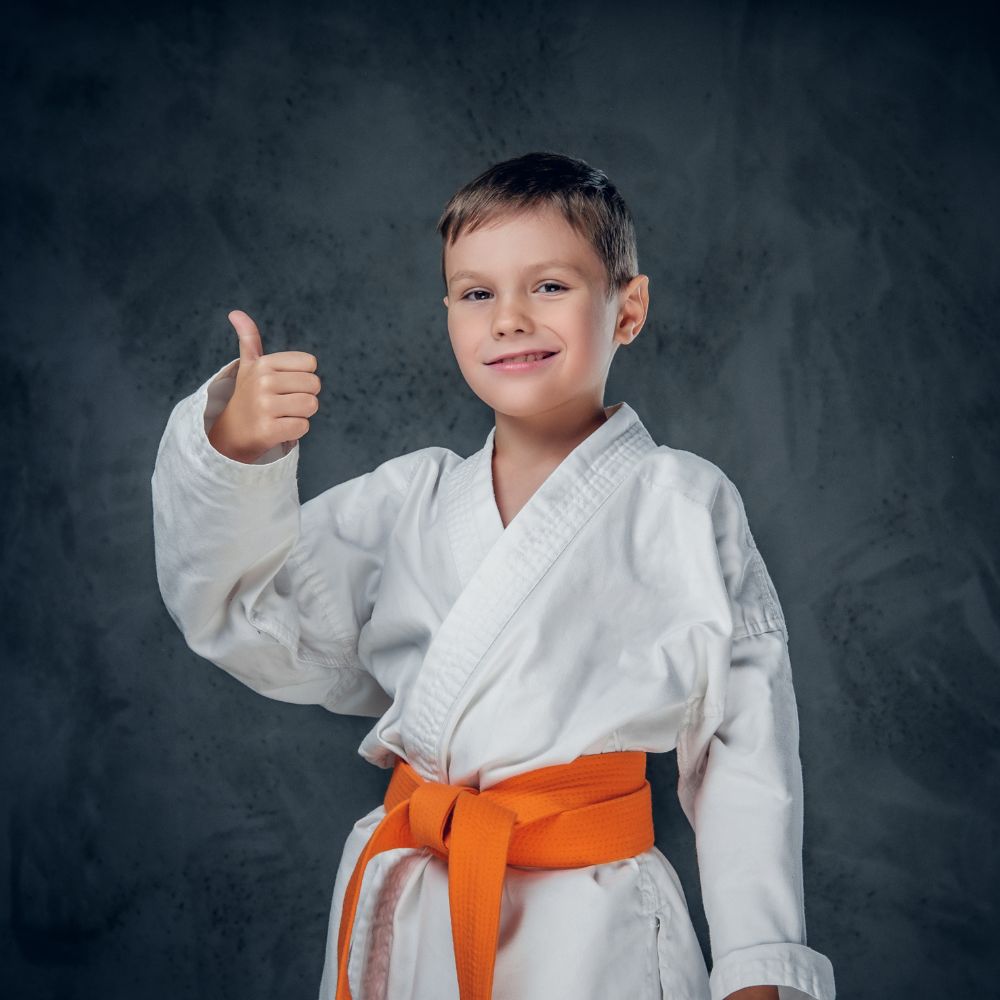
A supportive environment can make a difference
Every child is different. Some children are naturally outgoing and happy to jump straight into a new activity, while others may need more time to feel comfortable.
For a shy child, being put under pressure to perform or immediately interact with a large group can make starting a new class even more difficult.
MMA training can provide structure, routine and clear activities to focus on. Rather than expecting a child to become confident straight away, they can gradually become familiar with the instructor, other children and the training environment.
Building confidence through small achievements
Confidence doesn’t necessarily appear overnight. It can develop through small achievements and positive experiences.
Learning a new technique, completing an exercise or successfully taking part in a class can give a child a sense of achievement. Over time, these experiences can help them realise that they are capable of trying new things and overcoming challenges.
Working towards grading and progressing to new belts can also give children something positive to work towards. Each new belt represents the skills, effort and progress they have developed through their training, giving them something they can feel proud of and helping to build their confidence.
For a shy child, simply walking into their first class and giving something new a try can be a big step.
Making friends without the pressure
Martial arts classes can also provide opportunities for children to interact with others in a natural way.
Training alongside other children means they can gradually become familiar with their classmates and develop social confidence through shared activities. They don’t necessarily need to be the loudest or most outgoing child in the room.
As they become more comfortable, they may naturally start talking to others, joining in more and forming friendships.
Learning practical skills
MMA isn’t only about confidence. Children can also learn physical skills, coordination, discipline and awareness while taking part in an active class.
Learning practical skills can give children something positive to focus on and help them develop a greater sense of independence.
For parents, it can also be reassuring to know that their child is developing useful skills while enjoying exercise in a structured environment.

